
Sinn und Sinnlichkeit
Es ist unsere Überzeugung, dass es mehr braucht als Fakten, um Menschen zu bewegen. Das Projekt »Hallo Plankton!« übersetzt Wissen in Begeisterung. Wir sehen in diesem Ansatz das Potenzial, nachhaltige gesellschaftliche Wirkung zu erzielen.
Der Ursprung: ¡vamos, simbiosis!
Ein über fünfzigköpfiges Team aus Kunst, Natur- und Geisteswissenschaften stellte 2022 einen innovativen interdisziplinären Ansatz auf die Probe.
In dem südspanischen Küstenort Águilas fand unter dem Projekttitel ¡vamos, simbiosis! ein dreiwöchiger Workshop statt mit dem Ziel: Menschen durch Kunst und Wissenschaft wieder mit dem Meer zu verbinden und zu Veränderungen für eine nachhaltige Zukunft zu inspirieren. »Hallo Plankton!« ist eines der vielen Resultate, die aus diesem Pilotprojekt hervorgegangen sind.
Mehr dazu auf vamossimbiosis.org
Team
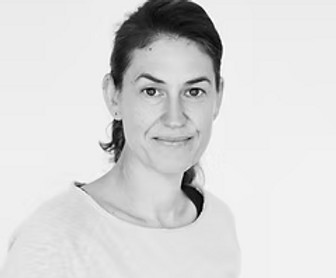
Konzept und Leitung
Annika Guse
Annika is a molecular biologist.
She investigates the symbiosis between corals and algae at the Ludwig-Maximilians-University in Munich

Konzept und Illustration
Kristina Heldmann
Kristina is a Berlin-based illustrator whose work focuses on stories as a means of educating young readers.

Konzept und Design
Stefan Michaelsen
Stefan is a communication designer based in Essen, Germany. He is specialized in exhibition and corporate design.

Iñaki Ruiz-Trillo
Iñaki is a professor at the Institute of Evolutionary Biology in Barcelona. His research examines the origins of animal multicellularity.

Niels Dingemanse
Niels is a Dutch professor for Behavioral Ecology at Ludwig-Maximilians-University in Munich. For his work, he uses blue tits, sparrows and crickets.

Jose Martinez Navarro
“Pepe” is from Águilas, Spain, and owns the dive school Buceo Estela. He leads explorations of dive grounds around the world, advocating for a respectful attitude towards nature.

Javier Espinosa
Javi is a professional diver and artist from Águilas, Spain. His illustrations and murals take their inspiration from the underwater world.
Guse Lab | LMU München
Societal impact through Interdisciplinarity
It has become evident that research alone is not sufficient to address complex societal issues such as loss of biodiversity and climate change. We believe that interdisciplinary communication and cooperation are the basis for creating a more sustainable future. We apply this in research, teaching and science communication to help establish a dialog between science and society.
